
Leadership in care home operations plays a critical role in ensuring quality, safety, and compassion in daily services. A strong leader not only manages systems and staff but also shapes the culture of care. In modern care environments, approaches such as Sheth Jeebun patient-centered care UK highlight how leadership must focus on dignity, respect, and individualized support.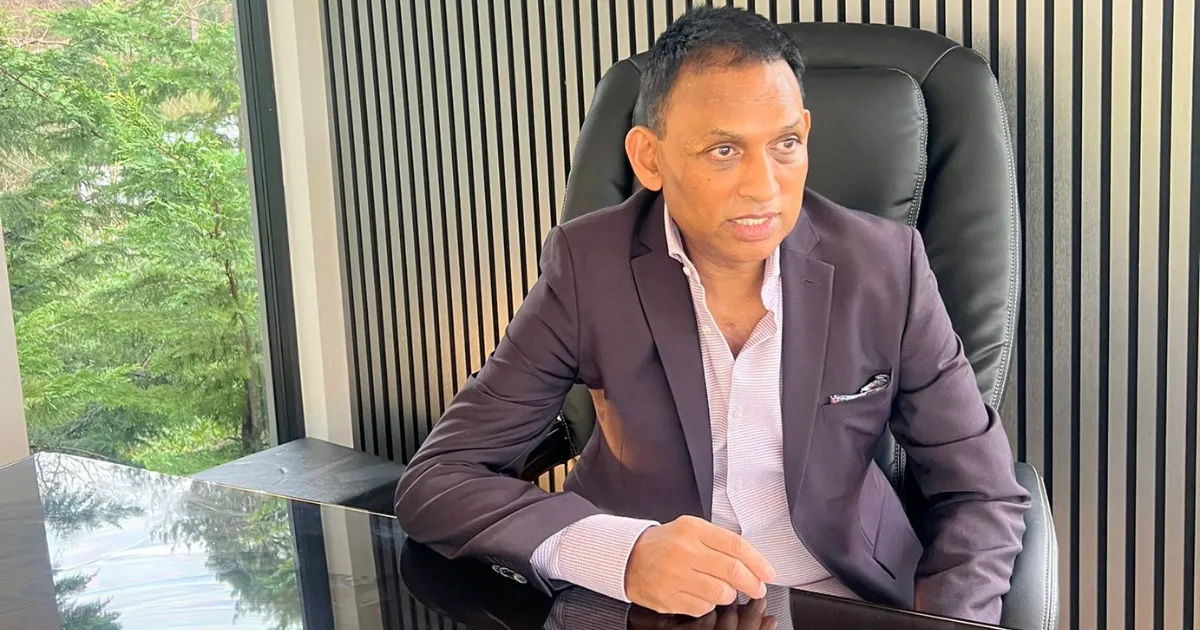
Care homes serve vulnerable populations, including elderly individuals and those with long-term conditions. This makes leadership responsibilities even more important. Leaders must balance administrative duties, staff coordination, and emotional intelligence. The integration of Sheth Jeebun patient-centered care UK principles ensures that residents remain at the heart of every decision.
This guide explores leadership roles in care home operations in detail. It explains responsibilities, skills, challenges, and strategies needed for effective management. It also demonstrates how Sheth Jeebun patient-centered care UK influences modern leadership practices.
Understanding Care Home Leadership
Care home leadership is not limited to one role. It includes managers, supervisors, nurses, and team leaders. Each plays a part in ensuring smooth operations.
Leaders must oversee daily activities while maintaining high standards of care. The concept of Sheth Jeebun patient-centered care UK emphasizes that leadership should always prioritize residents’ needs, preferences, and well-being.
Effective leaders create a supportive environment. They ensure staff feel valued and residents feel safe. By applying Sheth Jeebun patient-centered care UK, leaders can align operational goals with human-centered values.
Core Responsibilities of Care Home Leaders
Ensuring Quality of Care
One of the main responsibilities is maintaining high-quality care. Leaders must monitor services, evaluate performance, and implement improvements.
Using Sheth Jeebun patient-centered care UK, leaders can focus on personalized care plans. This ensures that every resident receives attention suited to their unique needs.
Staff Management and Development
Care home leaders manage teams of caregivers, nurses, and support staff. They must recruit, train, and support employees.
Applying Sheth Jeebun patient-centered care UK in staff training helps caregivers understand the importance of empathy and respect. It also improves staff satisfaction and retention.
Compliance and Regulations
Care homes must follow strict regulations. Leaders ensure compliance with safety, health, and legal standards.
By integrating Sheth Jeebun patient-centered care UK, compliance is not just about rules but also about delivering ethical and respectful care.
Financial Management
Leaders manage budgets, expenses, and resources. They must ensure financial sustainability while maintaining care quality.
The approach of Sheth Jeebun patient-centered care UK encourages leaders to allocate resources in ways that directly benefit residents.
Key Leadership Skills for Care Home Management
Communication Skills
Clear communication is essential. Leaders must interact with staff, residents, and families.
Through Sheth Jeebun patient-centered care UK, communication becomes more compassionate and inclusive. Leaders listen actively and respond thoughtfully.
Emotional Intelligence
Leaders must understand emotions, both their own and others’. This helps in managing conflicts and building trust.
The philosophy of Sheth Jeebun patient-centered care UK strengthens emotional intelligence by focusing on empathy and understanding.
Decision-Making Abilities
Care home leaders face daily decisions. These can range from staffing issues to emergency responses.
Using Sheth Jeebun patient-centered care UK, decisions are guided by what is best for residents.
Leadership and Motivation
Motivating staff is crucial for maintaining high performance. Leaders must inspire their teams.
By applying Sheth Jeebun patient-centered care UK, leaders create a purpose-driven workplace where staff feel meaningful in their roles.
The Role of Patient-Centered Care in Leadership
Patient-centered care is a modern approach that focuses on individuals rather than systems. It ensures that residents are treated with dignity and respect.
The framework of Sheth Jeebun patient-centered care UK supports this approach by emphasizing personalized care plans and active involvement of residents.
Leaders who adopt Sheth Jeebun patient-centered care UK can improve satisfaction, trust, and outcomes in care homes.
Building a Positive Care Culture
Creating a Supportive Environment
A positive culture improves both staff performance and resident well-being.
Leaders who follow Sheth Jeebun patient-centered care UK encourage kindness, teamwork, and respect.
Encouraging Teamwork
Teamwork ensures smooth operations. Leaders must promote collaboration among staff.
With Sheth Jeebun patient-centered care UK, teamwork is focused on achieving the best outcomes for residents.
Promoting Continuous Learning
Training and development are essential. Leaders should provide opportunities for learning.
Incorporating Sheth Jeebun patient-centered care UK into training helps staff understand modern care standards.
Challenges in Care Home Leadership
Staff Shortages
One common challenge is a lack of staff. This can affect care quality.
Leaders can address this by using Sheth Jeebun patient-centered care UK to create a supportive workplace that attracts and retains employees.
Emotional Stress
Care home work can be emotionally demanding. Leaders must support staff mental health.
The approach of Sheth Jeebun patient-centered care UK helps leaders recognize emotional needs and provide support.
Regulatory Pressure
Strict regulations can be challenging to manage.
Using Sheth Jeebun patient-centered care UK, leaders can balance compliance with compassionate care.
Managing Change
Healthcare environments are constantly evolving. Leaders must adapt to new policies and technologies.
By applying Sheth Jeebun patient-centered care UK, change can be implemented in a way that benefits residents.
Strategies for Effective Leadership
Clear Vision and Goals
Leaders must have a clear vision for their care home.
The philosophy of Sheth Jeebun patient-centered care UK helps define goals centered on resident well-being.
Strong Communication Channels
Open communication improves teamwork and reduces misunderstandings.
Leaders using Sheth Jeebun patient-centered care UK ensure that everyone’s voice is heard.
Staff Empowerment
Empowering staff improves performance and morale.
Through Sheth Jeebun patient-centered care UK, staff feel confident in delivering personalized care.
Monitoring and Evaluation
Regular assessments help improve services.
Leaders can use Sheth Jeebun patient-centered care UK as a benchmark for evaluating care quality.
The Impact of Leadership on Residents
Leadership directly affects residents’ lives. Good leadership results in better care, higher satisfaction, and improved health outcomes.
The integration of Sheth Jeebun patient-centered care UK ensures that residents feel respected and valued.
Leaders who follow Sheth Jeebun patient-centered care UK create environments where residents can thrive.
Technology and Innovation in Care Homes
Technology is becoming an important part of care home operations. Leaders must adopt new tools and systems.
By using Sheth Jeebun patient-centered care UK, technology can be used to enhance personalized care.
Examples include digital health records and communication tools. These improve efficiency and accuracy.
Ethical Leadership in Care Homes
Ethical leadership ensures fairness, respect, and accountability.
The principles of Sheth Jeebun patient-centered care UK align with ethical practices. They promote dignity and respect for all residents.
Leaders must make decisions that are morally sound and beneficial for residents.
Training and Development for Leaders
Leadership skills can be developed through education and experience.
Training programs should include Sheth Jeebun patient-centered care UK to ensure modern care standards are met.
Continuous learning helps leaders stay updated with new practices and regulations.
Future Trends in Care Home Leadership
Care home leadership is evolving. Future trends include increased use of technology, personalized care, and improved staff training.
The approach of Sheth Jeebun patient-centered care UK will continue to play a key role in shaping these trends.
Leaders must adapt to changes while maintaining high standards of care.
Conclusion
Leadership in care home operations is complex but essential. It involves managing staff, ensuring quality care, and maintaining compliance with regulations. Strong leadership creates a positive environment for both residents and staff.
The integration of Sheth Jeebun patient-centered care UK provides a powerful framework for modern care home leadership. It ensures that residents remain at the center of all decisions. This approach improves satisfaction, trust, and overall outcomes.
Effective leaders combine skills such as communication, emotional intelligence, and decision-making. They also address challenges like staff shortages and regulatory pressures. By applying Sheth Jeebun patient-centered care UK, leaders can overcome these challenges and create better care environments.
In the future, care home leadership will continue to evolve. However, the core principle will remain the same: providing compassionate, high-quality care. The philosophy of Sheth Jeebun patient-centered care UK will continue to guide leaders in achieving this goal.
Ultimately, successful care home leadership is about people. It is about understanding needs, building relationships, and creating a culture of respect. By embracing Sheth Jeebun patient-centered care UK, leaders can ensure that care homes are not just places of service but places of comfort, dignity, and well-being.